

Matcha is the green coffee.
Matcha has become one of Japan’s most sought-after souvenirs, but where you buy it determines whether you walk away with authentic ceremonial grade powder or an overpriced tourist blend. From budget supermarket tins to centuries-old Kyoto tea houses, this guide breaks down the best places to buy matcha in Japan across three categories: cheap and convenient, mid-range quality, and premium luxury. We also have recommended online purchasing options from Amazon.
Cheap and Convenient Options
For travelers on a budget or those seeking everyday matcha for lattes and baking, supermarkets and convenience stores offer surprisingly solid options at accessible prices.
- Supermarkets (AEON, Ito-Yokado, Life): Look for brands like Morihan or Ito En in the tea aisle. A 40g tin of culinary-grade matcha typically costs ¥800–¥1,500 ($5–$10). While not ceremonial quality, these are perfect for daily consumption and cooking.
- Don Quijote (Donki): This discount chain carries matcha powder and matcha-flavored snacks at rock-bottom prices. Expect to pay ¥500–¥1,200 for small tins or bags.
- Convenience Stores (7-Eleven, Lawson, FamilyMart): While selection is limited, you can find instant matcha latte mixes and small matcha powder packets for ¥300–¥600. Ideal for quick gifts or personal use.
Pro tip: Check the ingredient list. Authentic matcha should list only “green tea” or “matcha” — avoid products with added sugar or milk powder if you want pure powder.
Mid-Range Quality: Department Store Food Halls (Depachika)
For travelers seeking a balance of quality, variety, and convenience, the basement food halls of major department stores — known as depachika — are unmatched.
- Isetan, Mitsukoshi, Takashimaya (Tokyo, Osaka, Kyoto): These depachika house counters from renowned tea brands like Ippodo, Marukyu Koyamaen, and Gion Tsujiri. You can compare multiple brands side-by-side, often with English-speaking staff.
- Price range: ¥1,500–¥3,000 ($10–$20) for 20–40g tins of standard ceremonial grade matcha.
- Best for: Travelers with limited time who want authentic, high-quality matcha without venturing to specialty shops.
Recommended brands in depachika:
- Ippodo: Offers a range from everyday “Sayaka” to premium “Kanza” grades.
- Marukyu Koyamaen: Known for stone-ground Uji matcha, though stock is limited in 2026 due to high demand.
- Nakamura Tokichi: A Kyoto-based brand with a strong presence in Tokyo depachika.
Premium and Luxury Options
For connoisseurs, gift-givers, or those seeking the ultimate matcha experience, specialty tea shops in Kyoto and Tokyo offer elite-grade ceremonial matcha — often with centuries of heritage behind them.
Kyoto: The Heart of Matcha Culture
- Ippodo Tea Co. (Kyoto Flagship): Founded in 1717, Ippodo’s Kyoto store offers the full range of matcha grades, including rare blends like “Kanza” (¥10,000 for 20g). Staff provide tastings and brewing advice.
- Marukyu Koyamaen (Uji, Kyoto): Operating since 1704, this Uji-based producer is revered for its stone-ground matcha. Due to 2026 shortages, only 20g and 40g tins are available.
- Gion Tsujiri (Gion, Kyoto): A flagship store in Kyoto’s historic Gion district, offering matcha sweets and premium powder. Open until 8 PM, ideal for evening shopping.
- Nakamura Tokichi Honten (Uji): Located a minute from JR Uji Station, this shop combines a tea house and retail space with extensive English support.
Tokyo: Urban Luxury
- Yamamotoyama (Nihonbashi): Established in 1690, this Tokyo-based tea house offers matcha ranging from everyday blends to high-end ceremonial grades. English website and online ordering available.
- Chanoha (Ginza): Located in Matsuya Ginza, this modern tea lounge offers premium matcha and sweets in a stylish setting.
Price range for premium matcha: ¥3,000–¥10,000+ ($20–$70+) for 20–40g tins.
What to Know Before You Buy
- Grades matter: “Ceremonial grade” is for drinking; “culinary grade” is for cooking. Avoid unlabeled or vague terms like “premium” without grade specification.
- Packaging clues: Look for “Uji” (Kyoto) on the label for authenticity. Matcha should be vibrant green, not dull or yellowish.
- 2026 shortages: Due to global demand and farmers shifting land to matcha production, some brands have limited stock or purchase restrictions. Buy early in your trip.
- Tax-free shopping: Many department stores and specialty shops offer tax-free purchases for tourists with a passport.
Quick Reference Table
| Category | Where to Buy | Price Range (JPY) | Best For |
|---|---|---|---|
| Cheap & Convenient | Supermarkets, Donki, convenience stores | ¥500–¥1,500 | Daily use, cooking, budget travelers |
| Mid-Range Quality | Department store depachika (Isetan, Mitsukoshi) | ¥1,500–¥3,000 | Balanced quality, variety, convenience |
| Premium/Luxury | Specialty shops (Ippodo, Marukyu Koyamaen, Gion Tsujiri) | ¥3,000–¥10,000+ | Connoisseurs, gifts, ceremonial use |
Buying Online, Top Choices on Amazon
If you are not able to shop in Japan, here are some good Matcha buying online options.
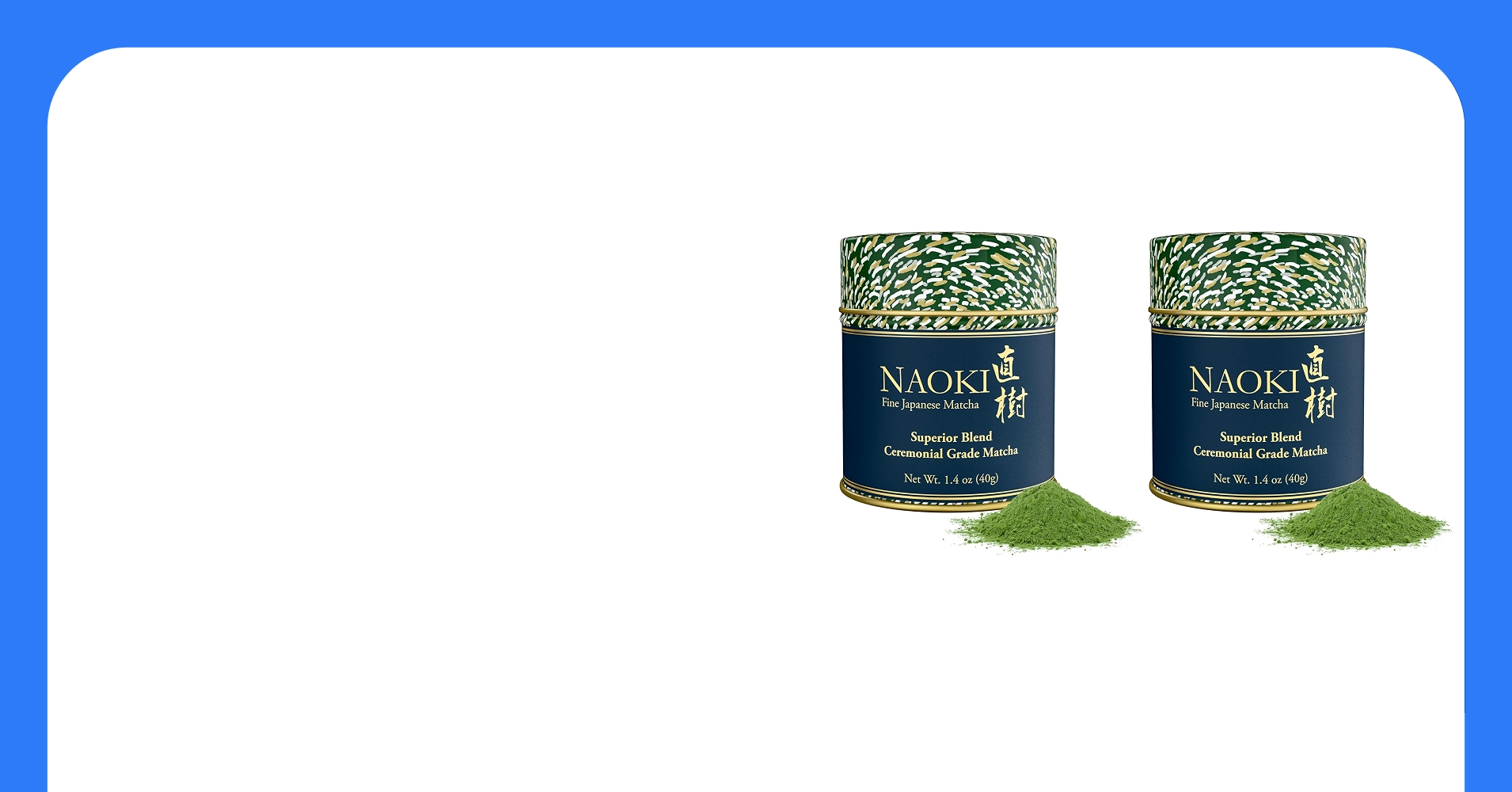
Naoki Matcha Superior Ceremonial Blend – Authentic Japanese First Harvest Ceremonial Grade Matcha Green Tea Powder from Uji, Kyoto (40g / 1.4oz) (Pack of 2) $49.98

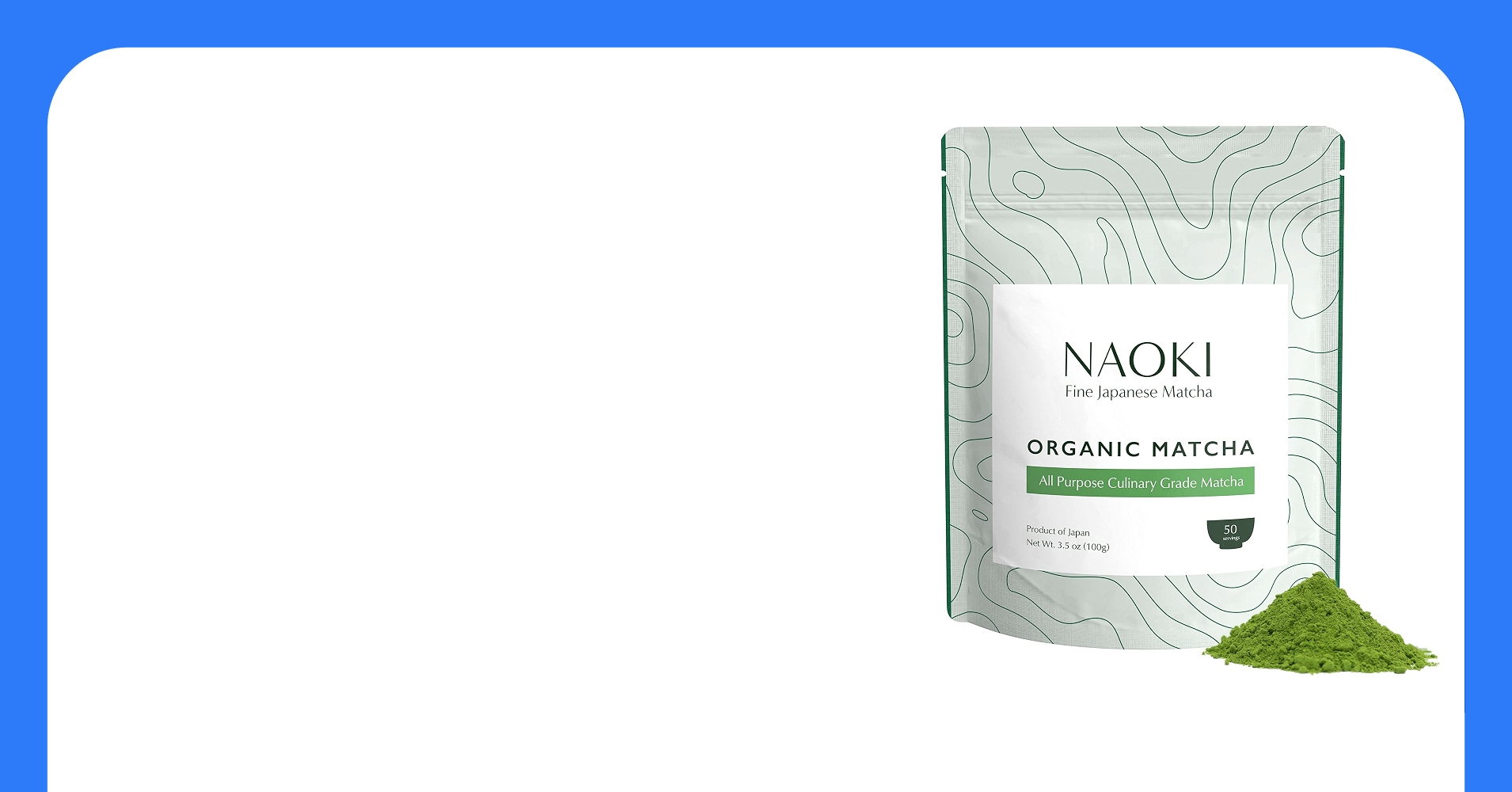
Naoki Matcha Organic All Purpose Blend Matcha, 100g/3.5oz $24.99

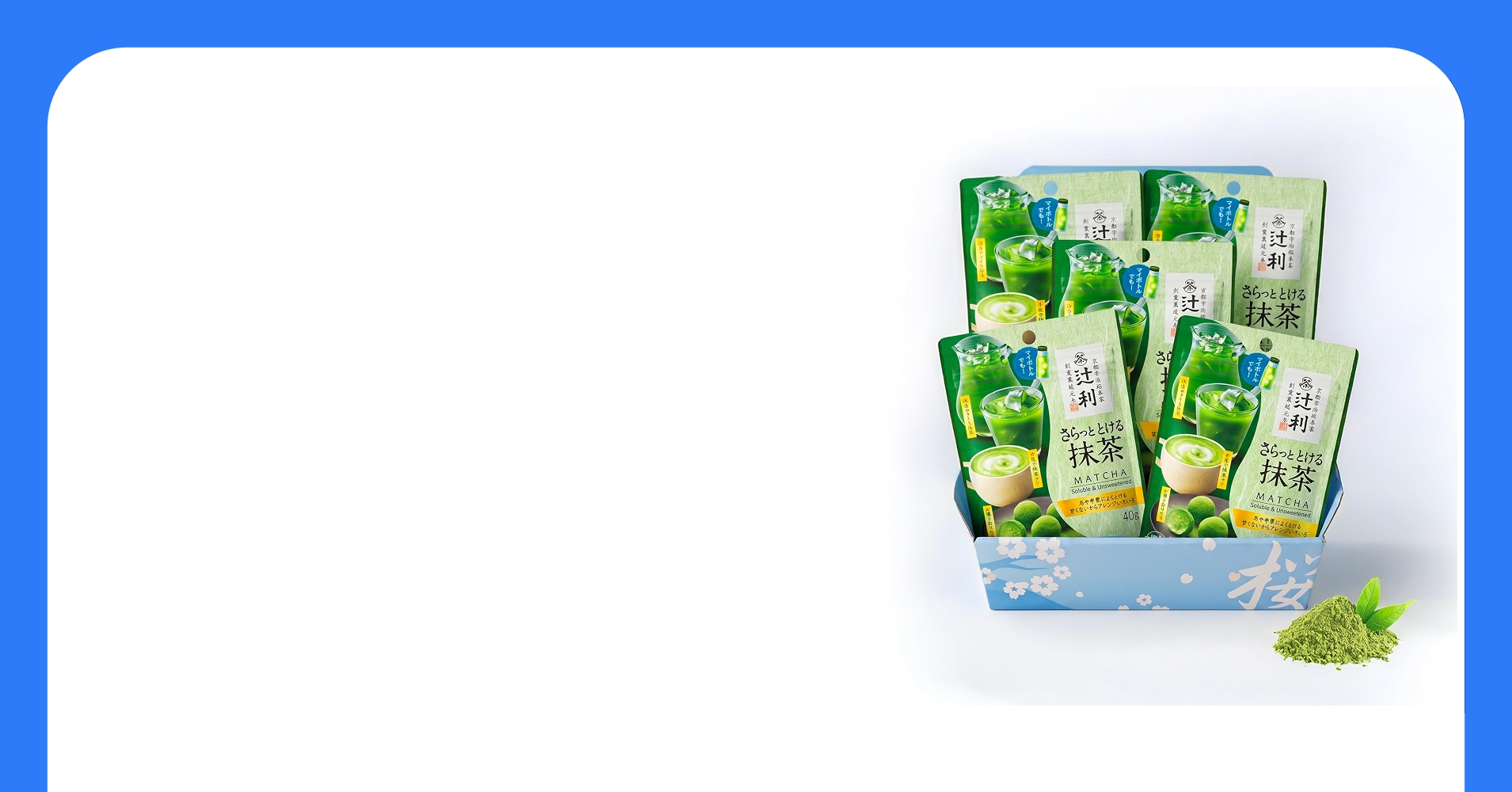
Tsujiri Melting Matcha Powder, 40g, Unsweetened, Soluble, Premium Kyoto Uji for Matcha Lattes, Cooking & Sweets (5 packages) $39.97

コメント